
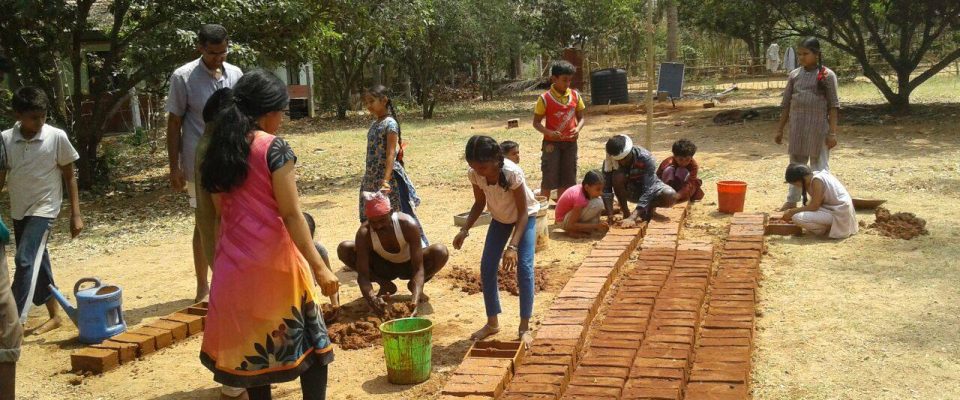
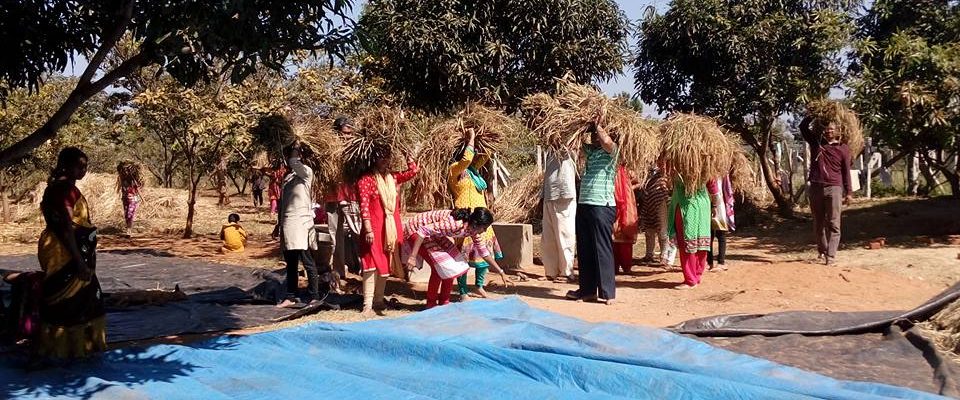
SIDH has been supporting Udhbhavaha, Bengaluru, through a scholarship and fellowship initiative aimed at strengthening meaningful educational work rooted in Bharatiya drishti. Udhbhavaha is a holistic educational initiative that seeks to nurture children through the development of the head, heart and hands. It is not merely a school in the conventional sense, but a learning community of children, parents and teachers who are together exploring what true education means and how education can remain connected with life, culture, nature, society and inner growth.
The Udhbhavaha Fellowship is an effort by SIDH to support teachers who are actively engaged in teaching while also undertaking deeper research and documentation in areas that are important for children, education and society. Six teachers from Udhbhavaha have been identified for this support. The fellowship has been initiated from January 2026 for an initial period of three years, with financial support of ₹5 lakh per year per teacher. The intention is to give teachers the time, space and encouragement to work on meaningful projects while remaining connected with children and classroom realities.
One of the important areas supported through this scholarship is the introduction of holistic health based on Ayurveda for children. A curriculum is being developed for children in the age group of 12 to 15 years, covering themes such as Ayurveda and its relevance in life, Panchamahabhuta, Tridosha, Prakriti, Dinacharya, Rutucharya, Shadrasa, food traditions, healthy daily routines and simple case studies related to everyday health experiences. A weekly Ayurveda class is planned at Udhbhavaha from June 2026 to February 2027, along with detailed curriculum development and classroom observation. This work has the potential to reconnect children with traditional health wisdom in a simple, practical and age-appropriate manner.
Another fellowship area focuses on creating awareness about holistic health based on Ayurveda and Yoga among parents and educators. This work recognises that education is not limited to children alone; the larger community around the child also needs to participate in healthier ways of living. Discussions have already been initiated around daily habits and rhythms, such as Padabhyanga, with collective commitment among parents and educators to bring such practices into everyday life. This connects health education with lived practice rather than keeping it only at the level of information.
A significant part of the fellowship work is also devoted to a dialogue series on Modernity under the guidance of Shri Pawan Gupta ji. This bi-weekly online dialogue brings together participants from Udhbhavaha, Purnapramati and those who have been associated with SIDH programmes. The sessions are being recorded and transcribed with the aim of creating future content in the form of videos, blogs and other learning material. The current focus of the dialogue is on becoming aware of one’s own thinking process before examining modernity as an external social phenomenon. This is closely aligned with SIDH’s long-standing inquiry into education, modernity, self-understanding and Bharatiya civilisation.
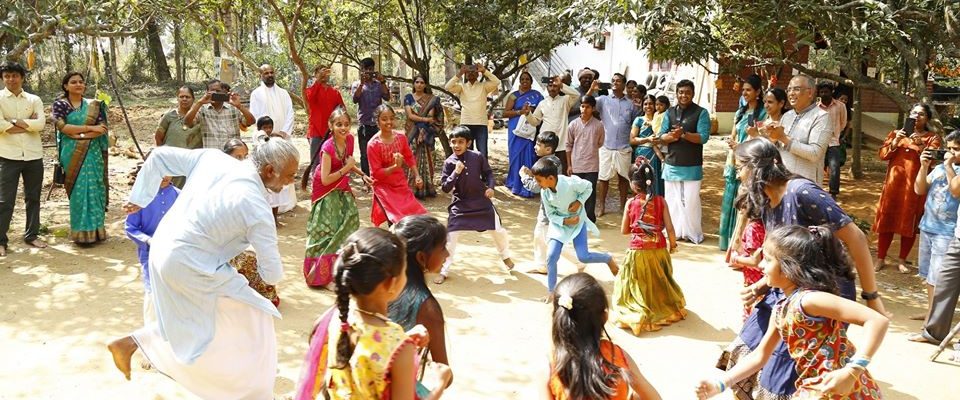
The scholarship also supports cultural and literary work through Dhwani, the magazine of Udhbhavaha. The editorial work includes reading, writing, interviews, coordination with external contributors, and collecting and reviewing articles from the parent and teacher community. The upcoming edition is based on the theme of Pragati. Through this work, teachers and community members are engaging with important ideas and expressions that help strengthen a living culture of reflection, writing and dialogue.
Another meaningful project is the rediscovery of the traditional way of narrating Panchatantra stories. The work explores how Panchatantra is not merely a collection of children’s stories, but a deep civilisational resource that carries insights into human nature, relationships, decision-making and the ways of the world. The project emphasises oral narration as a powerful mode of transmission, where voice, gesture, expression and emotional involvement bring the story alive. Such storytelling allows every child to receive the story according to his or her own swabhava, making learning more organic and deeply rooted.
The fellowship also includes a project titled “Bangalore Pete: Reading the City Through Its Streets, Trades, and Everyday Life.” This project helps high-school children study Bengaluru’s historic commercial core through direct observation and field visits. Students have been visiting different Pete streets to document trades, businesses, landmarks and everyday activities. Through this process, they are learning to observe patterns of livelihood, culture and urban life. The next phase will involve organising the collected information through maps, sketches, written records and visual documentation, leading towards a detailed map of Bangalore Pete that reflects both its historical significance and its contemporary character.
Through the Udhbhavaha Fellowship, SIDH is supporting not only individual teachers but also a larger educational movement. The initiative encourages teachers to remain learners, researchers and seekers while staying rooted in the everyday world of children. It helps create knowledge from within lived educational practice rather than from outside the classroom. The fellowship projects together cover health, culture, storytelling, modernity, urban study, community learning and reflective writing.
This support reflects SIDH’s commitment to nurturing educational spaces that are connected with Bharatiya thought, local contexts, cultural memory, self-inquiry and meaningful engagement with life. The Udhbhavaha Scholarship is therefore not merely financial assistance; it is a step towards strengthening teachers, deepening educational inquiry, and creating learning resources that can benefit children, parents, educators and society at large.
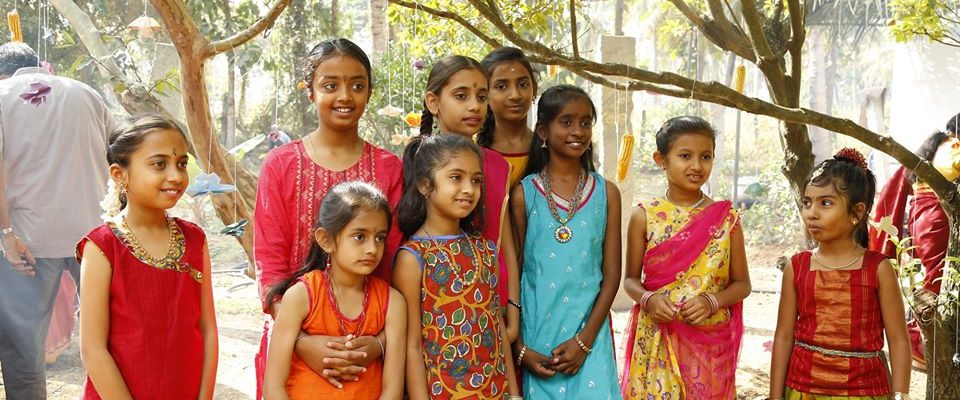
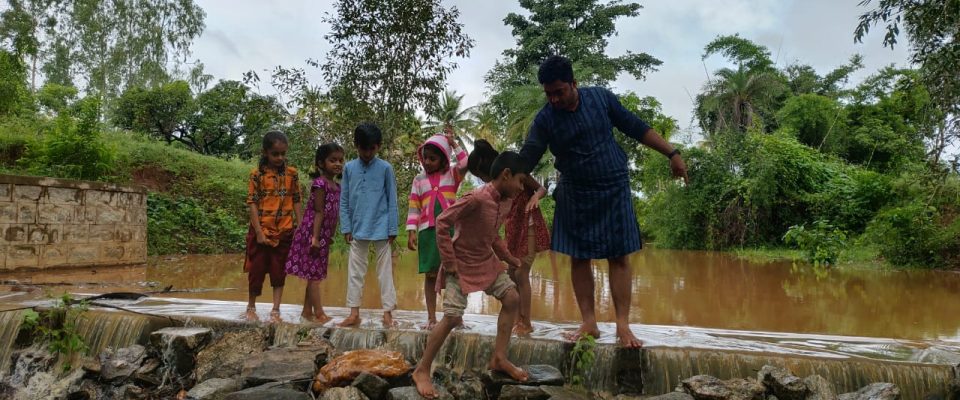
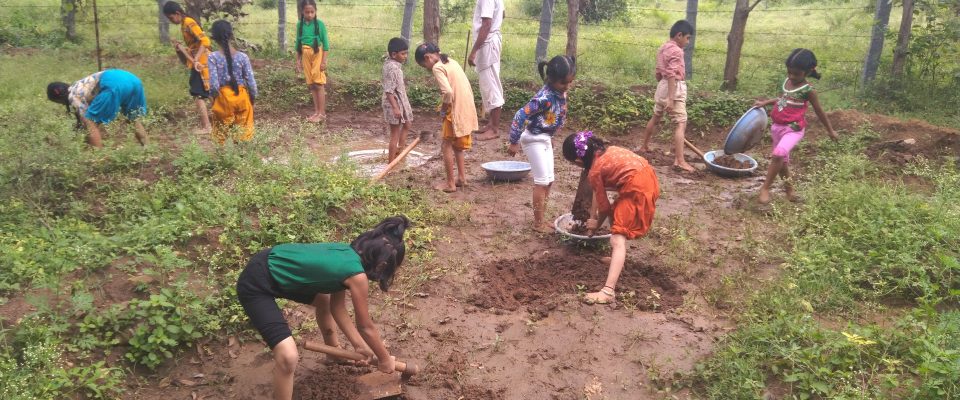
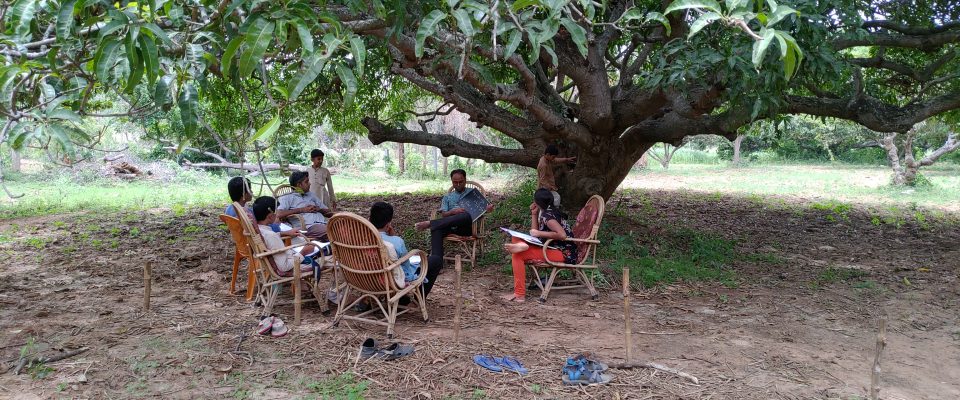
Glimpses from Udhbhavaha, Bengaluru · SIDH Scholarship & Fellowship initiative